NCAA’s New Transfer Portal Rules:What Athletes Need to Know for 2024-25

The NCAA has recently implemented significant changes to the transfer portal for Division I football and women’s basketball. These adjustments, particularly the two-window system, are intended to streamline the transfer process while balancing flexibility and stability within college athletics.

The revamped notification-of-transfer process now operates within a 30-day period split into two windows: one in winter and another in spring. For the 2024-25 academic year, the first transfer window will open on December 9, the Monday following the FBS conference championships, and close on December 28. The second window will span April 16-25, providing athletes with another opportunity to enter the portal. By consolidating these periods, the NCAA aims to simplify decisions for athletes while minimizing disruptions for both teams and individual players.

The two-window system also limits the possibility of last-minute transfers that may disrupt team dynamics or require urgent roster adjustments. By setting definitive dates, the NCAA allows for better planning by athletic departments and more thoughtful decision-making by student-athletes.

Overall, these NCAA adjustments balance athletes’ needs for flexibility with institutional stability, promising a more controlled and transparent transfer system that should benefit both current players and prospective recruits.

Off-Season Gains: Bulk Up and Boost Agility for Peak Performance

Off-Season Training: Bulk Up While Improving Speed and Agility

For high school athletes, the off-season is the perfect time to build strength, bulk up, and enhance speed and agility. A well-rounded approach combining strength training, functional drills, and proper nutrition can help achieve these goals.

Start with strength and power training. Incorporate compound lifts like squats, deadlifts, and bench presses to build muscle. Add explosive movements such as power cleans and box jumps to improve power. Pair this with speed drills like resisted sprints and sled pushes to translate strength gains into speed.

high-calorie diet rich in lean protein, complex carbs, and healthy fats fuels muscle growth. Consuming 4–6 meals daily ensures consistent energy for workouts.

Don’t forget rest promotes recovery so get plenty of it. Aim to get at least 8 hours of sleep every night. 

Finally, integrate hybrid training. Combine sprint intervals, cone drills, and lifting sessions to enhance agility and strength. Include recovery methods like dynamic stretching or yoga to maintain mobility.

By following this regimen, athletes can bulk up and dominate on the field when the season begins.

Goal Setting for Student-Athletes

Goal Setting for Student-Athletes

Goal setting is a powerful tool for student-athletes to achieve success, both on and off the field. By setting clear objectives and measuring progress, athletes can build discipline, focus, and confidence. Here are four essential steps to effective goal setting:

1. Set Your Goal

Define what you want to accomplish. Your goal should be specific, measurable, and realistic. For example, instead of saying, “I want to be a better hitter,” set a goal like, “I want to increase my batting average by 20 points this season.” Clarity provides direction and motivation.

2. Write Action Steps

Break your goal into actionable steps. If your goal is to improve strength, your action steps might include committing to a 4-day workout plan, maintaining a protein-rich diet, and incorporating recovery techniques like stretching and hydration. Writing these steps down makes your goal tangible and creates a roadmap to success.

3. Track Progress

Consistently monitor your efforts and results. Keep a journal or use an app to log workouts, practice times, or game statistics. Tracking progress keeps you accountable and helps you adjust your plan when needed.

4. Celebrate Success

Reaching your goal is the ultimate reward. Reflect on your journey, recognize your growth, and set new challenges. Success fuels motivation and confidence for future endeavors.

Effective goal setting isn’t just about reaching the finish line—it’s about building habits that lead to continuous improvement. Start today!

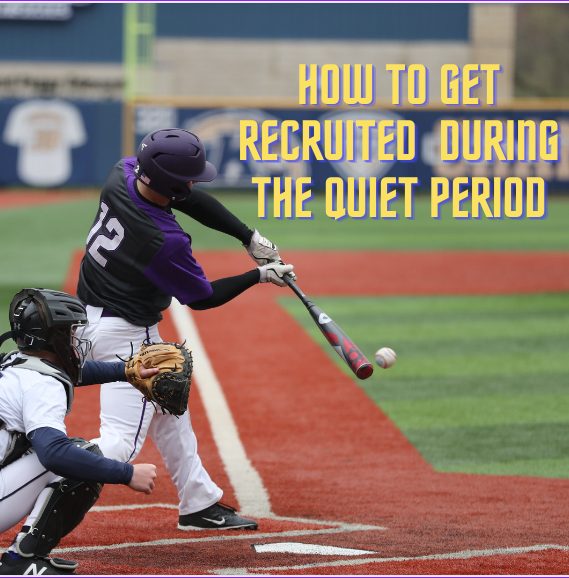
Recruiting myths about the quiet period 

Recruiting becomes hot as August begins, just as summer begins to cool down. However, before it starts to boil, there is a brief pause in recruiting. That pause is known as the Quiet Period.

There are many myths and misconceptions about the Quiet Period, so this article will clear up five of them. 

Photo by Lucas Andrade at Unsplash

Myth #1: That quiet period means absolute silence. Most parents and athletes think that this mean coaches can’t talk to prospective student athletes. True, NCAA communication rules are restricted during the quiet period. But in the end, colleges coaches are permitted to communicate with prospective student athletes during the quiet period.

Myth #2: Athletes can’t contact coaches. Not true. According to the NCAA recruiting guidelines, prospective student athletes can contact college coaches beginning on the first day of freshman year. Additionally, student-athletes are permitted to contact coaches at any time during the recruiting process.

Myth #3: College Coaches don’t recruit during the quiet period. False, coaches recruit year round. Just look at all the offers posted on social media! So, since college coaches continue to recruit during the quiet period athletes need both communication and recruiting exposure year around

Myth #4: On campus invites during the Quiet Period are money grabs. Not necessarily. Some invites are in fact money grabs so it’s up to the athlete and parents to learn the difference. The NCAA rules state contact with prospective student athletes is permissible on the college campus. So, how else can coaches get athletes on campus but to invite them to a prospect camp? 

Myth #5: College coaches can’t make offers during the quiet period. Again, the quiet period does not mean dead silence. Instead, the quiet period regulates communication between college coaches and prospective student athletes. During the quiet period coaches can and do make scholarship offers. 

The origin of these myths and misconceptions is from athletes and parents being unfamiliar with the recruiting process. Information is pieced together from bits and pieces heard from other players and parents. It’s similar to trying to put together a jumbled puzzle, but missing several key pieces. It doesn’t matter how much effort you put in, the end result will be an incomplete picture. Don’t rely on rumors and hearsay from other parents. Become educated about the recruiting process or find someone who is. 

what student athletes can do to improve their recruiting situation during the quiet period

What is the quiet period? What does it mean for recruiting?

According to the NCAA, during a quiet period a college coach may not have face-to-face contact with college-bound student-athletes or their parents, and may not watch student-athletes compete or visit their high schools. Coaches may write and telephone student-athletes or their parents during a dead period.

So, with prospective student athletes, college coaches are not permitted to have; in person evaluations, official campus visits or in person contacts. But, student athletes should be aware that written and telephone communication is permissible during the quiet period. 


Photo by Chris Chow on Unsplash

However, like any other Quiet Period throughout the recruiting calendar, the recruiting process does not stop. Consider the quiet period a time-out from the evaluation process.  

So, student-athletes, what can you do to improve your recruiting situation right now?  

First, get your highlight reel looking sharp. By now you should have a highlights from summer camps, showcases as well as previous seasons, plus some training video. Use this footage to make short highlight and skills videos that can be added to your recruiting profile and viewed by college coaches. 

Next, assess recruiting goals with realistic expectations. If you’ve had your mind set on certain school but have not been contacted by a college coach don’t expect contact anytime soon. Instead, do an honest comparison of your level of play to the quality of athletes being recruited. This will help you determine a good college fit and will also point you to college coaches that you should be contacting. 

Then, expand your methods of contacting college coaches. Don’t just rely on twitter to blast out your video links or show clips of getting one hit during a game. Instead, use multiple points of contact including email, text, and, if you’re brave enough, go old school, by actually making a phone call to a college coach.

Overall, during the quiet period it is important for the student-athlete to stay focused!  The quiet period does not mean that recruiting comes to a dead stop. Lots of recruiting is still to come. 

Is recruiting is going the way you hoped it would? Have questions about the recruiting process? Comment below or DM me. I’m glad to help.

Extending the Recruiting Dead Period; what it means for student-athletes

Last week, the NCAA extended the recruiting Dead period to June 30 as a result of covid-19  concerns. While the Dead Period may have mild repercussions,  it does not mean is that all recruiting has stopped. 

Many student athletes and parents should be aware what the extension means  and how it impacts recruiting. for their student athlete.  The goal of this blog is to answer those questions. 

To begin, the Dead Period extension means that college coaches and recruits are not permitted to have 

  • in person evaluations
  • official campus visits
  • in person contacts 

These are typical Dead Period restrictions.   However, like any other Dead Period throughout the recruiting calendar, the extension does not stop the recruiting process. 

Even during the extended Dead Period college coaches are still recruiting. Homepage screenshot: ESPN football recruiting May 19, 2020

So, let’s break down the Dead Period. At the core, the Dead Period is designed to give college coaches opportunity to digitally scout, research, and yes, recruit student athletes!  It’s somewhat of a respite for college coaches. The Dead Period provides coaches the time and space to recruit players without interruptions. 

The NCAA defines the Dead Period as, “a period a college coach may not have face-to-face contact with college-bound student-athletes or their parents, and may not watch student-athletes compete or visit their high schools. Coaches may write and telephone student-athletes or their parents during a dead period.”

Again, coaches may not have in person contact, campus visits or personal evaluations. They can, however, communicate with student-athletes and their parents. 

Clearly, the extension of the Dead Period does modify the typical recruiting process. However, it does not stop it altogether. 

So, my tip to the Class of 2021 recruits and beyond is to be more active and aggressive with their recruiting than ever before. Don’t get suckered into thinking that your recruiting is dead . Make sure it stays alive!

.

Tips for communication between prospective student-athletes and college coaches

Parents and students always ask about coaches not responding to their communication. 

Three tips to why:

  1. You may be contacting the wrong coaches so be realistic in your search for best athletic and academic fit
  2. You may not be asking the right questions. Often you get a reply if you ask. But surely you won’t get a reply if you don’t ask any questions. 
  3. You need to be more proactive. Proactive  is being  persistent. Being passive is not a plan. 

Coach Mike oversees the the recruiting of talented next-level athletes to develop a recruiting strategy to get seen, scouted and recruited.  As a coach with over 20 years of experience, and a as former college athlete, Mike now mentors families through the academic, athletic and financial aspects of college recruiting.  

Website: www.csaprepstar.com/coachmike

Blog: https://eliteathletesrecruiting.com/

Class of 2020 Final Year of Recruiting Underway August 2nd

Congratulations Class of 2020! Its is officially your year. Soon classes will begin but before the first bell rings your final year for college recruiting will start winding down. All that you have been working for as student- athlete has reached it pinnacle.

According to the NCAA, August 2nd marks the beginning of the final recruiting year for 2020 seniors. The recruiting period, as noted by the chart below, begins the day after the  final day for class of 2019. 

What should 2020 prospective student athletes anticipate? During this final year of recruiting seniors can take official visits, recieve scholarship offers and sign their official national letter of intent. For many scholarship seeking student-athletes, these benchmarks are the culmination of dedication and determination. 

August 2nd marks the beginning of the final recruiting year for 2020 seniors
Photo by Aron Visuals on Unsplash

When can seniors begin official visits? According to the NCAA, official visits can begin opening day of classes for Seniors. The NCAA allows prospective student athletes one official visit per college and up to a maximum of five official visits to Division I colleges. In contrast, prospective student athletes official visits to DII colleges are unlimited. 

So, now that the final year has arrived, Seniors should remain diligent with their recruiting. Continued communication with college coaches by checking in by phone at least once a month. Also, it is vital that seniors maintain, and if possible seek to improve their cumulative GPA.  It is also recommended that early Senior year prospective student athletes retake college entry exams (ACT or SAT) in order to improve on previous scores that meet or surpass college admission requirements.  

Finally, if your recruiting isn’t going according to plan and you feel the pressure of the recruiting clock ticking down, you may want to get some outside help. Comment below or contact me via twitter (@michaelwoosley) or text “GAMEPLAN” to 480-605-4050 a free recruiting consultation where I help you create a gameplan toward success in your final year of recruiting.

3 Tips To Get Noticed at Camps, Combines and Showcases

Are you exhausted from all the camps, combines, showcases and other “recruiting events”? Have you become frustrated by the promise of exposure only for to get minimal reps and very little exposure?

Collegiate recruiting events can be a great way to showcase skill in competition against some of the nation’s top high school talent. But they can also become burdensome and ill-effective.

Trying to rely solely on college showcases, camps and combines to get recruited and receive an athletic scholarship is not a very sound strategy by itself.

Photo by Christopher Campbell on Unsplash

However, I have learned from past experience that trying to rely solely on college showcases, camps and combines to get recruited and receive an athletic scholarship is not a very sound strategy by itself. Most college coaches that attend these type of events developed recruiting lists of athletes they plan to watch well before they arrive.

So, if college coaches at the showcase are there to watch some other athlete how do you get their attention? What do you need to do to get noticed while hundreds of other athletes are at the same event trying to do the same thing at the same time as you?

The goal is to get on their recruiting list before the event. So, how do you do this?

So, here are 3 tips you can use to help assure you get some attention at the next camp, combine or showcase.

  1. Email college coaches scheduled to attend the event.
  2. Create a student athlete profile including academic information as well as athletic metrics that you can send to colleges coaches. (A free one is available at bit.ly/2vqZjH9)
  3. Connect with college coaches through social media outlets like Twitter or Instagram.

Again, the goal is to be seen by coaches who want to see you. Following this 3 tips before attending the next camp, combine or showcase are you are sure to get some attention.

Five ways student-athletes can pay college tuition

Parents and student athletes will be surprised to know that college tuition can be paid in very creative ways. In fact, with the national average of college tuition hovering around $34,000 per year for private colleges and $25,000 for state schools,  there are a number of ways for families to relieve the burden of tuition expenses. So before signing a stack of loans take a look at five ways student-athletes can pay for college tuition.

The average college student graduates nearly $40,000 in student loan debt.
Photo by Hannah Busing on Unsplash
  1. Scholarships – financial awards that do not need to be repaid.  Scholarships are awarded for academics and athletics to aid in offsetting the cost of total tuition.  Most collegiate sports, except for D1 football, commonly offer only partial scholarships. However, outstanding academics, including high gpa and college entry exam scores, coupled with exceptional athletic ability significantly impact the overall cost of college tuition. 
  2. Grants – needs based form of financial assistance that students do not repay. Grants are often awarded by information provided in the FASFA application. The Pell Grant is a good example. Investing a little time researching online students can uncover a number of grants available ranging from a few hundred dollars to a several thousand. 
  3. Loans – Federal student loans allow students to borrow money towards tuition. However, strings are attached, in that borrowed money must be repaid with interest. Federal student loans are determined as “needs-based” and fulfilled at subsidized or in some special circumstances interest free. In contrast, other loans are unsubsidized meaning they accrue interest. Parents of a dependent student can also apply for federal loan called the Parent Loan for Undergraduate Students (PLUS). According to the US Student Loan Debt Statistics graduating college students leave with just under $40,000 in student loan debt. 
  4. Campus work study– student employment is a way to earn income and gain work experience. Federal work study is determined by student information and needs determined from the FAFSA application. Campus work study is great way for the college student to earn spending cash or to use to offset a student loan. 
  5. Military education benefit- commonly referred to as the GI Bill, Military Tuition Assistance is a benefit of up to $45,000 eligible to active members after service members of the Army, Navy, Marines, Air Force, and Coast Guard. Congress has given each service the ability to pay up to 100% for the tuition expenses for members. 

The purpose of a college education is to help prepare students for successful careers. Hopefully, these five tips will help students afford a great education and save them a ton of money along the way. 

Be Committed,Coach Mike

Coach Mike oversees the the recruiting of talented next-level athletes to develop a recruiting strategy to get seen, scouted and recruited.  As a coach with over 20 years of experience, and a as former college athlete, Mike now mentors families through the academic, athletic and financial aspects of college recruiting.