Getting the hang of managing your time is super important for doing well in school, sports, and recruiting. It’s like finding the right balance between everything, and it’s not just about being good but also staying strong when things get tough. Using your time wisely means giving each part of your life the attention it needs. This helps you do great in school, shine in sports, and handle the challenges of recruiting.
Balancing everything is like having a secret game plan for success, where staying focused and being prepared makes your recruiting journey smoother. So, in the mix of school, sports, and recruiting, managing your time well is the key to rocking it all.
The NCAA has recently implemented significant changes to the transfer portal for Division I football and women’s basketball. These adjustments, particularly the two-window system, are intended to streamline the transfer process while balancing flexibility and stability within college athletics.
The revamped notification-of-transfer process now operates within a 30-day period split into two windows: one in winter and another in spring. For the 2024-25 academic year, the first transfer window will open on December 9, the Monday following the FBS conference championships, and close on December 28. The second window will span April 16-25, providing athletes with another opportunity to enter the portal. By consolidating these periods, the NCAA aims to simplify decisions for athletes while minimizing disruptions for both teams and individual players.
The two-window system also limits the possibility of last-minute transfers that may disrupt team dynamics or require urgent roster adjustments. By setting definitive dates, the NCAA allows for better planning by athletic departments and more thoughtful decision-making by student-athletes.
Overall, these NCAA adjustments balance athletes’ needs for flexibility with institutional stability, promising a more controlled and transparent transfer system that should benefit both current players and prospective recruits.
Off-Season Training: Bulk Up While Improving Speed and Agility
For high school athletes, the off-season is the perfect time to build strength, bulk up, and enhance speed and agility. A well-rounded approach combining strength training, functional drills, and proper nutrition can help achieve these goals.
Start with strength and power training. Incorporate compound lifts like squats, deadlifts, and bench presses to build muscle. Add explosive movements such as power cleans and box jumps to improve power. Pair this with speed drills like resisted sprints and sled pushes to translate strength gains into speed.
A high-calorie diet rich in lean protein, complex carbs, and healthy fats fuels muscle growth. Consuming 4–6 meals daily ensures consistent energy for workouts.
Don’t forget rest promotes recovery so get plenty of it. Aim to get at least 8 hours of sleep every night.
Finally, integrate hybrid training. Combine sprint intervals, cone drills, and lifting sessions to enhance agility and strength. Include recovery methods like dynamic stretching or yoga to maintain mobility.
By following this regimen, athletes can bulk up and dominate on the field when the season begins.
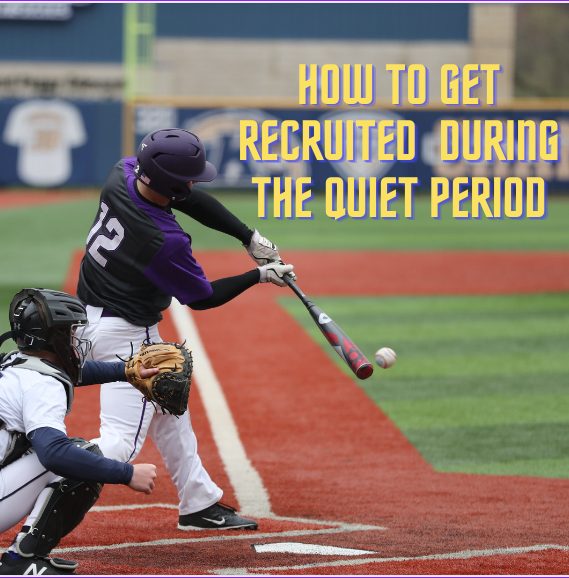
Recruiting becomes hot as August begins, just as summer begins to cool down. However, before it starts to boil, there is a brief pause in recruiting. That pause is known as the Quiet Period.
There are many myths and misconceptions about the Quiet Period, so this article will clear up five of them.
Myth #1: That quiet period means absolute silence. Most parents and athletes think that this mean coaches can’t talk to prospective student athletes. True, NCAA communication rules are restricted during the quiet period. But in the end, colleges coaches are permitted to communicate with prospective student athletes during the quiet period.
Myth #2: Athletes can’t contact coaches. Not true. According to the NCAA recruiting guidelines, prospective student athletes can contact college coaches beginning on the first day of freshman year. Additionally, student-athletes are permitted to contact coaches at any time during the recruiting process.
Myth #3: College Coaches don’t recruit during the quiet period. False, coaches recruit year round. Just look at all the offers posted on social media! So, since college coaches continue to recruit during the quiet period athletes need both communication and recruiting exposure year around
Myth #4: On campus invites during the Quiet Period are money grabs. Not necessarily. Some invites are in fact money grabs so it’s up to the athlete and parents to learn the difference. The NCAA rules state contact with prospective student athletes is permissible on the college campus. So, how else can coaches get athletes on campus but to invite them to a prospect camp?
Myth #5: College coaches can’t make offers during the quiet period. Again, the quiet period does not mean dead silence. Instead, the quiet period regulates communication between college coaches and prospective student athletes. During the quiet period coaches can and do make scholarship offers.
The origin of these myths and misconceptions is from athletes and parents being unfamiliar with the recruiting process. Information is pieced together from bits and pieces heard from other players and parents. It’s similar to trying to put together a jumbled puzzle, but missing several key pieces. It doesn’t matter how much effort you put in, the end result will be an incomplete picture. Don’t rely on rumors and hearsay from other parents. Become educated about the recruiting process or find someone who is.
What is the quiet period? What does it mean for recruiting?
According to the NCAA, during a quiet period a college coach may not have face-to-face contact with college-bound student-athletes or their parents, and may not watch student-athletes compete or visit their high schools. Coaches may write and telephone student-athletes or their parents during a dead period.
So, with prospective student athletes, college coaches are not permitted to have; in person evaluations, official campus visits or in person contacts. But, student athletes should be aware that written and telephone communication is permissible during the quiet period.
However, like any other Quiet Period throughout the recruiting calendar, the recruiting process does not stop. Consider the quiet period a time-out from the evaluation process.
So, student-athletes, what can you do to improve your recruiting situation right now?
First, get your highlight reel looking sharp. By now you should have a highlights from summer camps, showcases as well as previous seasons, plus some training video. Use this footage to make short highlight and skills videos that can be added to your recruiting profile and viewed by college coaches.
Next, assess recruiting goals with realistic expectations. If you’ve had your mind set on certain school but have not been contacted by a college coach don’t expect contact anytime soon. Instead, do an honest comparison of your level of play to the quality of athletes being recruited. This will help you determine a good college fit and will also point you to college coaches that you should be contacting.
Then, expand your methods of contacting college coaches. Don’t just rely on twitter to blast out your video links or show clips of getting one hit during a game. Instead, use multiple points of contact including email, text, and, if you’re brave enough, go old school, by actually making a phone call to a college coach.
Overall, during the quiet period it is important for the student-athlete to stay focused! The quiet period does not mean that recruiting comes to a dead stop. Lots of recruiting is still to come.
Is recruiting is going the way you hoped it would? Have questions about the recruiting process? Comment below or DM me. I’m glad to help.
Because, many athletes and parents lack understanding of the contact rules and regulations many athletes are put at a disadvantage and ultimately miss out on recruiting opportunities. Serious athletes and their parents need to stay informed.
For example, did you know that during the December contact period it is permissible for an authorized athletic department staff member to have in person, off campus contacts with prospective student athletes. Who is included in the scope of authorized athletic department staff member?
Other misconceptions derive from not knowing what communication is permitted and what is prohibited during the regulated NCAA contact periods. These contacts, along with evaluations, are not only restricted but must also be counted by the coach as a contact, otherwise , it can lead to a recruiting violation.
Here is a quick summary of the recruiting periods.
A contact occurs any time a college coach says more than hello during a face-to-face contact with a college-bound student-athlete or his or her parents off the college’s campus.
During the contact period a college coach may have face-to-face contact with college-bound student-athletes or their parents, watch student-athletes compete and visit their high schools, and write or telephone student-athletes or their parents.
During the evaluation period a college coach may watch college-bound student-athletes compete, visit their high schools, and write or telephone student-athletes or their parents. However, a college coach may not have face-to-face contact with college-bound student-athletes or their parents off the college’s campus during an evaluation period.
During the quiet period a college coach may not have face-to-face contact with college-bound student-athletes or their parents, and may not watch student-athletes compete or visit their high schools. Coaches may write or telephone college-bound student-athletes or their parents during this time.
During a dead period a college coach may not have face-to-face contact with college-bound student-athletes or their parents, and may not watch student-athletes compete or visit their high schools. Coaches may write and telephone student-athletes or their parents during a dead period.
So, athletes, what can you do to improve your recruiting situation right now?
Get your highlight reel looking tight. By now you should have a highlights from previous seasons on your Hudl page, plus some training video available online.
Broaden your reach with coaches you want to contact. Use more than one medium to contact coaches. Don’t just rely on twitter to blast out your Hudl link. Rely on email and text. And, if you’re brave enough, go old school, actually making a phone call to a college coach.
Stay focused! Lots of recruiting happens at this time of year. Keep in mind that the contact period is only open for 2 weeks, then its back to the quiet period until January. So be patient with the process.
Is recruiting is going the way you hoped it would? Have questions about the recruiting process? Comment below or DM me. I’m glad to help.
Process, Preparation & Performance podcast– these guys do a great job covering a wide array of topics related to high school football and high school recruiting.
In early May, I was a guest on theProcess, Preparation & Performance podcast, part of the Breakdown Sports network of coaches in the state of Missouri. Coach Duke and Coach JR are consummate professionals with a passion impact high school athletes. It was a blast talking football and high school recruiting. We talked a lot about the many kinds of recruiting programs, the recruiting process and even shared some fun stories along the way. I can’t wait to be on again!
Through the Process, Preparation & Performance podcast, both athletes and parents will discover how these guys do a great job covering a wide array of topics related to high school football and high school recruiting. On the podcast page you can find interesting interviews of high school administrators, high school referees, high school coaches, college coaches and pretty much everyone in between!
I encourage you to make time to check out this quality podcast!
Many student athletes and parents should be aware what the extension means and how it impacts recruiting. for their student athlete. The goal of this blog is to answer those questions.
To begin, the Dead Period extension means that college coaches and recruits are not permitted to have
in person evaluations
official campus visits
in person contacts
These are typical Dead Period restrictions. However, like any other Dead Period throughout the recruiting calendar, the extension does not stop the recruiting process.
Even during the extended Dead Period college coaches are still recruiting. Homepage screenshot: ESPN football recruiting May 19, 2020
So, let’s break down the Dead Period. At the core, the Dead Period is designed to give college coaches opportunity to digitally scout, research, and yes, recruit student athletes! It’s somewhat of a respite for college coaches. The Dead Period provides coaches the time and space to recruit players without interruptions.
The NCAA defines the Dead Period as, “a period a college coach may not have face-to-face contact with college-bound student-athletes or their parents, and may not watch student-athletes compete or visit their high schools. Coaches may write and telephone student-athletes or their parents during a dead period.”
Again, coaches may not have in person contact, campus visits or personal evaluations. They can, however, communicate with student-athletes and their parents.
Utter disappointment. Really, that’s a tremendous over statement. My heart goes out to the Spring athletes as well as those athletes who were unable to take their college visits. Many 2020’s have had their recruiting and signings delayed, while 2021’s also missed the opportunity to showcase their skills this season. Many people ask me my thoughts on how ‘Rona (COVID-19) will impact recruiting in the near future, so here’s some of my thoughts.
Let me begin by stating that by nature I am an optimistic person. It’s in DNA to see things the potential in people and circumstances. I’m holding hope that with cooperation, diligence, and compliance the spread of the virus will be stifled so that soon athletes can take to the field again.
Without doubt, new recruiting opportunities are sure to surface to make up for lost time. So, even though college recruiting may have been slowed this spring, there will certainly be more recruiting opportunities to come. Photo by Peter Feghali on Unsplash
Now, in regards to recruiting, it is likely that there will be little to no significant impact on the recruiting process. By that, I mean the recruiting process will continue to move forward in spite of the sequester. I am certain, at this very moment college coaches still recruiting athletes! They may be doing this from their offices instead of the sidelines, but make no mistake, college coaches are recruiting athletes!
Next, recruiting this summer will certainly ramp up. Ben Franklin was noted to have said, “Out of adversity comes opportunity.” Without doubt, new recruiting opportunities are sure to surface to make up for lost time. So, even though college recruiting may have been slowed this spring, there will certainly be more recruiting opportunities to come. I anticipate an increase of showcases and camps this summer. Two reasons play into this. First, more camps and showcases will help replace some revenue lost as a result of the cancelled spring season. Second, additional camps and showcases will provide coaches the opportunity to have athletes come to them. This will allow coaches to evaluate more players in a short amount of time. Early exposure to these coaches will be a tremendous help for prospects wanting invitations to these events.
Additionally, athletes who make the most of the self sequester will be those who continue communicating with college coaches, stay in shape, and keep up with their regular routine. When the opportunity returns for student-athletes to take the field once again it will be evident who stayed on course and made the most of the downtime. Consequently, those student-athletes who choose chill-time over training time will surely fall behind.
Lastly, as of March 30 the NCAA announced that spring college athletes can be awarded an extra year of eligibility. However, the NCAA did not mandate additional scholarship money. The NCAA did loosed the roster limit for the 2021 season. But, scholarship money awarded to student-athletes will be at the desecration of the college athletic program.
This presents an option for the student-athletes who take advantage of this gift. It is likely that that they will have to pay out of pocket for an additional year of college so that then can play one more season of Spring sports. Outside of athletes from prominent Power 5 schools, I suspect that few Spring athletes will take advantage of this benevolent offer. For most college students, the cost of college tuition might just outweigh the benefit of one more year of competition.
Finally, and most importantly, I want to wish you all wellness, safety and good health during this unprecedented season.
The high school football season for the most part is over. Except for a limited few states the final whistle has blown, gear returned, and final stats recorded. When it seem like its all finished, football recruiting, however, is just getting started. Especially in these first two weeks in December the contact period resumes. But, only for two weeks.
During the December contact period it is permissible for authorized athletic department staff member to have in person, off campus contacts with prospective student athletes.
So, athletes, what can can you do to improve your recruiting situation during these two weeks?
Get your highlight reel looking tight. By now you should have a full season highlight reel as well as a midseason highlight reel up on your Hudl page.
Broaden your reach with coaches you want to contact. Use more than one medium to contact coaches. Don’t just rely on twitter to blast out your Hudl link. Rely on email and text. And, if you’re brave enough, go old school by making a phone call.
Stay focused! Lots of recruiting happens at this time of year. Keep in mind that the contact period is only open for 2 weeks, then its back to the quiet period until January. So be patient with the process.
Let me know how recruiting is going for you. Have questions about the recruiting process? Comment below or contact me on twitter or instagram (@michaelwoosley). I’m glad to help.