Recruiting after September 1 : the contact rules have changed

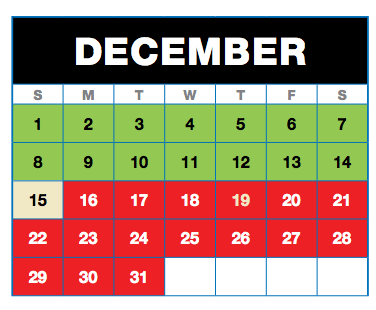
I wanted to share a quick tip about the recent communication period. It is important to know that as of September the recruiting contact period begins. Now that the contact period begins, Junior and Senior college prospects can start receiving a lot more communication from college coaches.

Here are some forms of communication that can take place, however the most common are:

  • Weekly phone calls from college coaches (one per week)
  • Personal correspondence from college coaches via text, phone or email
  • High school campus visit (only one)
  • Verbal Scholarship Offers
  • Invitations for official college campus visits
  • Recruiting materials such as college brochures and letters

Athletes who experience this level of communication can be sure that it is a favorable indicator of interest.

However, athletes not getting any communication should start being proactive immediately. There is an old but true phase, “if you keep doing what you’re doing, you will keep getting what you”re getting. If the results you have are not what you expected then it’s time to make a change.

Student athletes and supportive parents should consider contacting a reputable and credible recruiting resource like PrepStar to to learn how to increase exposure and open recruiting communication with college coaches.

Have questions? Need help?  Contact me to set up a time to talk (get free advise!) or use the comment section below.

Coach Mike oversees the recruiting of talented next-level athletes by helping families develop and implement a recruiting strategy for athletes to get exposure, evaluated and recruited. As former college athlete with over 20 years of coaching experience Mike now mentors families through the academic, athletic and financial aspects of college recruiting.  

Coach Mike – Email: mwoosley@csaprepstar.com   Office: 805-622-STAR

Recruiting contact periods during the high school football season

Many high school football teams will take the field towards the latter part of this week to compete in their season opener. Along with the excitement of the lights, crowds and cheers comes the hopes of college recruting. In the previous two article  we looked at the three contact periods that take place within the football season. This article is to outline the dead period and provide some useful tips improving recruiting opportunities throughout the season. 

By definition during a dead period a college coach may not have face-to-face contact with college-bound student-athletes or their parents, and may not watch student-athletes compete or visit their high schools. Coaches may write and telephone student-athletes or their parents during a dead period.

Not to be mistaken for the quiet period, the dead period does leave open the doors for communication. However, there is no room for coaches to evaluate players by watching games in person or visiting high school campuses. 

Not to be mistaken for the quiet period, the dead period does leave open the doors for communication.

This rule seems to handcuff athlete exposure. So how can athletes get exposure during the quiet period?  First, athletes should rely of video. They can improve exposure opportunities by keeping game video resources up to date with recent game film. Additionally, athletes can contact coaches by email and social media but should do so not expecting a return reply.  Athletes can also use a credible, reputable recruiting resource to keep them on the radar.  These groups, like PrepStar, act as a go between. For instance, PrepStar provides college coaches with your updated athletic, academic and video highlights throughout your high school career, ensuring you that college coaches always have access to your latest and most updated information.

To conclude this outline of the three contact periods that take place during the high school season I want to wish a success season to all high school football players. Hopefully, the details provided have been helpful and created some new ideas for communicating with college coaches during the season. If you need help, I’m glad to share tips or advice to help you along in the process. Simply, text the word GAMEPLAN to 480-605-4050.  I’m glad to talk with you about your recruiting concerns and give you some helpful suggestions. 

Contact periods for football college coaches and prospective student athletes.

To pick up where we left off last week lets pick up where we left off. During the football season, the NCAA mandates 3 different contact periods for college coaches and prospective student athletes. The first of the two periods work in tandem. Beginning August 1, the Dead Period/ Quite Period is underway. At this time, college coaches may not have face to face contact with athletes or their parents. It also means that college coaches cannot watch players compete UNLESS that student athlete is actually on the college campus for a camp or college visit.

During the high school season, there is another contact period squeezed in September 1 through November 30, 2019

Now, during the season, there is another contact period squeezed in. The exception arrives between the days of September 1 through November 30, 2019. This is the evaluation period. By definition the evaluation period permits college coaches to watch college-bound student-athletes compete, visit their high schools, and write or telephone student-athletes or their parents. However, a college coach may not have face-to-face contact with college-bound student-athletes or their parents off the college’s campus during an evaluation period. 

So, even though coaches can see athletes compete the coaches is not permitted to communicate with the student athlete or their parents. Additionally, coaches are permitted a certain number of evaluation dates depending on the sport.  For example, football coaches are allotted 42 evaluation dates. During those dates, coaches can visit a player once at his or her high school. 

What does this mean for student-athlete seeking to get recruited? First, the primary focus for the athlete should be playing ball. It should go without saying that athletes who are distracted and don’t perform on the field won’t get recruited so limit the distractions and just go play ball.  Second, its important to be patient with the process. The contact periods are designed to slow down the process so that coaches have adequate time to scout prospects. Thirdly, players can, and should, continue reading out to coaches during all contact periods so that they stay on the radar.

Lastly, if your not sure about the ins and outs of the contact period I’m glad to send you free contact period outlines for your sport.. Simply, text “GAMEPLAN” to 480-605-4050 and I’ll send you the sport specific contact period outlines.

3 communication periods for FCS D1 during the football season explained

Soon, the high school football season will be underway. All the hard work, summer workouts and dedication will start to show itself on the field. For many high school football athletes the ensuing games will have surely influence their recruiting. Game day is the opportunity to “get film” that college coaches will certainly find useful in the recruiting process. In the next three blog articles I will outline the 3 communication periods for FCS D1 during the football season.

Game day visits are great opportunities to communicate with coaches during the Quiet/Dead Period
Photo by Riley McCullough on Unsplash

Beginning the month of August is the Dead Period/ Quite Period. This means that from August 1st through the 31st coaches may not have face to face contact with athletes or their parents. It also means that college coaches cannot watch players compete UNLESS that student athlete is actually on the college campus for a camp or college visit. HOWEVER, the interaction (on campus) can only take place 48 hours before or 48 hours after the college’s home game.

So, what does all that mean? First, it means that coaches need time to evaluate players so communication between prospects and coaches will slow down somewhat. Next, game day visits are great opportunities to communicate with coaches. Its a huge part of their design (that and marketing the college). Third, ever during the quiet period, prospective student athletes can and should maintain consistent communication college coaches.

Lastly, if your not sure that the email or text communication you’ve been sending coaches is good I’m glad to send you free communication templates guaranteed to get results. Simply, text “GAMEPLAN” to 480-605-4050 and I’ll send you the free templates.

Three tips to record a baseball or softball recruiting video

This week is a short video blog for Recruiting video tips. Weekly, I field a lot of questions about how to make a recruiting video so today I want to share a quick video with 3 good tips for recording a recruiting video.

A well-made recruiting video is one of the most important tools for high school baseball and softball players trying to earn college baseball scholarships. Coaches don’t have the time to see every baseball prospect in person. That’s why a skills video is an essential part of your athletic profile. It takes just a few minutes for a skill video to show coaches what a high school prospect has to offer. For your skills video to be effective, you need to know specifically what coaches are looking for. If you have video but not sure if it is good enough for a coach, I offer a free recruiting video review. Simply book an appointment at the link below then send your video. I’ll check it out and give you some feedback during the short 30 minute call.

Book your appointment here. Video review

A well-made recruiting video is one of the most important tools for high school baseball and softball players trying to earn college baseball scholarships.

https://mlwoosley.wixsite.com/website/book-online/recruiting-video-review

Recruiting Video: 5 tips to make a solid recruiting video

When making highlight video, keep in mind that the purpose is not to show you top plays as each game unfolds. Instead, the goal should be to have the recruiting video tell the story of why you are a legit prospect. This is done putting in center-focus the highlight plays showcasing best position specific skills and athleticism. So here are 5 tips for assembling a solid recruiting video.

  1. Always make sure the video is appropriately timed. Typically, a good video is between 4 and 5 minutes long. Even though you may have 20 minutes of season highlights, sort through to pick the best plays. Why? Because college coaches have limited time to view video so impress them with the best.
  2. Next, make sure that your best plays are in the first 30 to 60 seconds. Think about it like a movie trailer. How often have you watched a movie trailer then immediately thought to yourself that you are going to go see that movie!  Coaches like to be impressed at the beginning. If the video doesn’t hold their attention then they move on to the next athlete.
  3. Then make sure to highlight position specific skills. For example, in football, running backs are supposed to score touchdowns and out-run defenders. Running backs then should highlight touchdown runs and showcase speed separation. The guys in the trenches, like defensive lineman, are supposed to wreak havoc at the up and down the line of scrimmage as well as in the opponents backfield. So show sacks, tackles and quarterback hurries.
  4. Most importantly, highlight videos should feature you, not other players. I’ve heard stories of coaches finding an recruit while viewing the footage of their teammate. This happens frequently.
  5. Lastly, know the difference between a clean hit and a cheap shot. Coaches want aggressive players not dirty players. Keep out questionable plays. Cheap shots cause penalties, penalties cost yardage, and lost yards can ultimately be the difference in winning or losing games. Coaches want disciplined players, not players that keep  them from winning games. 

Because highlight videos carry a lot of significance in your recruiting I’m glad to review your highlight videos before you send them to a coach or post them online.  You want some outside help with your recruiting video. If so, schedule a FREE recruiting video consultation where I will take a look at your highlight or skills video to provide you helpful tips and feedback. Schedule your free recruiting video review here:  https://mlwoosley.wixsite.com/website/book-online

Class of 2020 Final Year of Recruiting Underway August 2nd

Congratulations Class of 2020! Its is officially your year. Soon classes will begin but before the first bell rings your final year for college recruiting will start winding down. All that you have been working for as student- athlete has reached it pinnacle.

According to the NCAA, August 2nd marks the beginning of the final recruiting year for 2020 seniors. The recruiting period, as noted by the chart below, begins the day after the  final day for class of 2019. 

What should 2020 prospective student athletes anticipate? During this final year of recruiting seniors can take official visits, recieve scholarship offers and sign their official national letter of intent. For many scholarship seeking student-athletes, these benchmarks are the culmination of dedication and determination. 

August 2nd marks the beginning of the final recruiting year for 2020 seniors
Photo by Aron Visuals on Unsplash

When can seniors begin official visits? According to the NCAA, official visits can begin opening day of classes for Seniors. The NCAA allows prospective student athletes one official visit per college and up to a maximum of five official visits to Division I colleges. In contrast, prospective student athletes official visits to DII colleges are unlimited. 

So, now that the final year has arrived, Seniors should remain diligent with their recruiting. Continued communication with college coaches by checking in by phone at least once a month. Also, it is vital that seniors maintain, and if possible seek to improve their cumulative GPA.  It is also recommended that early Senior year prospective student athletes retake college entry exams (ACT or SAT) in order to improve on previous scores that meet or surpass college admission requirements.  

Finally, if your recruiting isn’t going according to plan and you feel the pressure of the recruiting clock ticking down, you may want to get some outside help. Comment below or contact me via twitter (@michaelwoosley) or text “GAMEPLAN” to 480-605-4050 a free recruiting consultation where I help you create a gameplan toward success in your final year of recruiting.

3 Tips To Get Noticed at Camps, Combines and Showcases

Are you exhausted from all the camps, combines, showcases and other “recruiting events”? Have you become frustrated by the promise of exposure only for to get minimal reps and very little exposure?

Collegiate recruiting events can be a great way to showcase skill in competition against some of the nation’s top high school talent. But they can also become burdensome and ill-effective.

Trying to rely solely on college showcases, camps and combines to get recruited and receive an athletic scholarship is not a very sound strategy by itself.

Photo by Christopher Campbell on Unsplash

However, I have learned from past experience that trying to rely solely on college showcases, camps and combines to get recruited and receive an athletic scholarship is not a very sound strategy by itself. Most college coaches that attend these type of events developed recruiting lists of athletes they plan to watch well before they arrive.

So, if college coaches at the showcase are there to watch some other athlete how do you get their attention? What do you need to do to get noticed while hundreds of other athletes are at the same event trying to do the same thing at the same time as you?

The goal is to get on their recruiting list before the event. So, how do you do this?

So, here are 3 tips you can use to help assure you get some attention at the next camp, combine or showcase.

  1. Email college coaches scheduled to attend the event.
  2. Create a student athlete profile including academic information as well as athletic metrics that you can send to colleges coaches. (A free one is available at bit.ly/2vqZjH9)
  3. Connect with college coaches through social media outlets like Twitter or Instagram.

Again, the goal is to be seen by coaches who want to see you. Following this 3 tips before attending the next camp, combine or showcase are you are sure to get some attention.

The importance of finding the best college fit

In the midst of the summer offer season social media is inundated with pictures and posts pronouncing the latest offers. Undoubtably, these announcements are great! Great for the student-athlete, great for the parents, great for the college and great for the sport. But, after reading these announcements do you ever wonder about the story behind why a student athlete chooses a particular school?  

Finding the best fit in collegiate sports combines quality academics with quality athletics.
Photo by Jose Morales on Unsplash

So, what is the primary reason an athlete chooses a college? As a parent and coach, my hope is for the student-athlete has found the best possible college fit. Finding the best fit in collegiate sports combines both quality academics with quality athletics.  This becomes an ideal scenario where the student-athlete has the opportunity to excel at the next level in both academics and athletics. 

In addition to choosing a school based on the outstanding academic programs often, recruits will choose a college because they feel that the coach, or coaching staff, will help them become a better player. Great players always want to improve. In turn, great coaches will help motivated players achieve more than what the athlete is capable of achieving on his/her own.

In regards to making athletes better in the classroom and within the game, the wise and well admired Notre Dame coach Lou Holtz once said, “I won’t accept anything less than the best a player’s capable of doing… and he has the right to expect the best that I can do for him and the team!”

The key to finding the best fit then is to look for an opportunity to excel academically and athletically. A good fit should not only be comfortable, but should offer enough challenges that will create lasting positive change throughout the life of the student when they are no longer an athlete. 

Tips for the campus recruiting visit

Most athletes don’t understand that a campus visit meeting is much like a job interview.  So treat your visit like you would a job interview. Your resume is your athletic and academic accomplishments but what’s going to put you at the top of the list is how you represent yourself during the time on campus.  So here are 5 tips to help you have a successful campus visit. 

Always use proper English when talking to coaches. Avoid slang and short talk. Coaches take their job seriously, they also look for serious players. Demonstrate that you are articulate and intelligent (if you don’t know what those words mean get a thesaurus!)

Next, dress for success. Leave the warm-ups at home. Dress nicely and comfortably. Don’t worry about whether or not your’e going to stand out because that’s what you are there for!


Your objective of the campus visit is to leave the visit with assurance and confidence that you did your very best to leave a lasting impression.
Photo by Paolo Nicolello on Unsplash

While your on the visit, separate yourself from the pack. Sheep run in a flock so they don’t get eaten, lions roam alone to hunt down their prey! When everyone else is goofing off, keep in mind that your there for one reason; to get noticed and get a scholarship!  Take time to talk with current players and mingle with the new guys also. Essentially, be a leader, not a follower. 

Always, be confident when you respond to questions. The best preparation is practice so rehearse your responses to questions that you think the coach might ask.  Questions you can anticipate will revolve around you strengths, weaknesses, idea of team, individual goals, work ethic, responsibility, accountability, etc. 

Lastly, your objective is to leave the camp visit with assurance and confidence that you did your very best to leave a lasting impression. 

At Prepstar, our 360 team members are mentored throughout the recruiting process by their personal Scouting Director. Preparation for campus visits is just one of the many recruiting experiences that athletes receive direction.  Want to know more about the Prepstar 360 team? Leave a comment below or send an email to Coach Mike at Mwoosley@csaprepstar.com