Breaking down recruiting video.

Yes, thats right. Its almost over. Soon the quarantine will be lifted and in turn athletes can return to competition. So the question for student-athletes will be, what did you do during the quarantine to help move your recruiting forward?

Hopefully, time has been invested in recruiting video. Video is crucial to the recruiting process, because most coaches recruit digitally first before seeing an athlete in person. Right now, with the stay at home policies in place, coaches have relied on video to recruit digitally.

So, what kind of recruiting video is most beneficial? And, what footage should the video feature?

Actually, the answer varies by sport. For example, game video is paramount for high school football prospects. However, sports like baseball, softball, and soccer require that skills video also accompanies game footage. Keep in mind, the purpose of the recruiting video, no matter the sport, is to demonstrate position specific athletic skills.  

It may be a matter of debate, it makes little difference if the video is professionally recorded or self-recorded.

Though it may be a matter of debate, it makes little difference if the video is professionally recorded or self-recorded. In most situations, quality cellphone video works well. I’ve recored skills video with a video camera, iPad and iPhone with good success. What matters most is the quality of athletic content not necessarily the quality of content. College coaches must be able to clearly identify the player and clearly view all the required skills.  Last year, I was talking with several scouts at a major tournament here in Phoenix, when the Oregon scout got up, took out his cell phone, walked over to the fence and began recording a players at-bat. Right there, I thought, ‘well if it’s good enough for Oregon then it’s good enough for others.’

Lastly, it should be obvious that having no video will surely stifle the recruiting process. Athletes trying to get recruited without video will find it almost impossible to gain interest. In fact, limited exposure will surely put the student-athlete at a tremendous recruiting disadvantage.

Here are 5 quick tips from a previous article I wrote about recruiting video

  1. Always make sure the video is appropriately timed (4-5 minutes)
  2. Next, make sure that your best plays are in the first 30 to 60 seconds.
  3. Then make sure to highlight position specific skills.
  4. Most importantly, highlight videos should feature you, not other players.
  5. Lastly, keep questionable plays out of your video.

Because highlight videos carry a lot of significance in your recruiting I’m glad to review your highlight videos before you send them to a coach or post them online.  You want some outside help with your recruiting video. If so, schedule a FREE recruiting video consultation where I will take a look at your highlight or skills video to provide you helpful tips and feedback. Schedule your free recruiting video review here.

Tis the Recruiting Season

Now that Thanksgiving is over we can safely say that the holidays are officially here. In just two weeks time Christmas will be hear then soon after a New Year will be upon us.  For student-athletes hoping to get recruited December is a major season for recruiting .

My hope is for student-athletes to have a happy and merry recruiting season. So, I put together a short list for the student-athletes who are serious about getting recruited during the holiday season.

Here are a few items that should be on your list.

  1. Make sure to have quality highlight or skills video
  2. Update all stats or metrics to the most recent measurements.
  3. Purge social media of inappropriate posts. When in doubt, just delete it.
  4. Get on the phone. Call, text or email coaches at colleges
  5. Plan campus visits to colleges high on your radar
  6. Schedule then study for the ACT/SAT college entry exams.

Have questions? Need help? Get a FREE recruiting consultation on any of the items on this list by just clicking here or leave a comment below.

Coach Mike

What to know about official and unofficial college recruiting visits

Since this is the time of year for athletes to visit college campuses I thought it good to share a few helpful tips about official visits and unofficial visit. In most recruiting situations the official visit often follow one or more unofficial visits. Frequently, college coaches reserve official visits to make offers, but it is not uncommon to get a verbal offer outside of an official visit. 

By definition, an official visit is any visit to a college campus by a college-bound prospective student-athlete and his or her parents that is paid for by the college. This includes transportation, lodging, entertainment, food and as many as 3 tickets to a game. Conversely, campus visits paid for by the parents of the student-athlete is deemed and unofficial visit.

In total, student-athletes are permitted up to 5 official visits for D1 and D2 schools. However, only 1 official visit per school is allowed.
Photo by Travis Essinger on Unsplash

Traditionally, official visits have been reserved for Seniors only. However, since April 2018 new recruiting regulations have been implemented for sports such as baseball and softball, allowing  Junior and Senior student-athletes to take official visits after September 1st. In contrast, in many other sports, such as footballonly Senior student-athletes are permitted to take official visits.

In total, student-athletes are permitted up to 5 official visits for D1 and D2 schools. However, only 1 official visit per school is allowed. Parents and athletes should know that D3 and NAIA schools have no limit on official visits a student-athlete can take. Additionally, D3 and NAIA regulations are similar to those outlining the recruiting process of D1 and D2 schools where the prospective student-athlete is allowed 1 official visit per school.

Lastly, always keep this in mind that recruiting is a process. Many student-athletes and parents let their minds run wild with negative assumptions, especially when an official visit is not offered right away.  To reiterate, recruiting is a process and every coach has his or her method, budget and preference for recruiting. So, with this in mind I recommend to keep a clear head and a positive attitude. Try to relax, stay calm, and enjoy the process.

Finally, I would love to hear from athletes attending official or unofficial visits. Athletes can also tag me on twitter when posting about visits (@michaelwoosley). Also, if you need help preparing for a visit, I’m glad to schedule some time to help with preparations. Just send me an email at mwoosley@csaprepstar.com. 

Starting the recruiting process

Is your inbox full of invites to camps, showcases, combines and other “recruiting events”? Have you become frustrated by the promise of exposure only to pay a bunch of money then see your kid get minimal reps and very little exposure? 


Frustrating isn’t it? Most athletes and parents are. 


So, when is the best time to start the recruiting process? Thats the topic for today. 


Did you know that most prospects are identified before end of the sophomore year? (Thats the current class of 2022!)   However,  many parents are told by high school and club to wait. That’s not good advice. Here’s why.

 1. Waiting significantly reduces the amount of time for college coaches can properly evaluate players. 


2. College coaches can only recruit players they know about. (So if they don’t know about a you they can’t recruit you!)

3. For many sports, student-athletes can take official visits, recieve phone calls and even get offers starting September 1 Junior year. 


Bottomline, there isn’t as much recruiting time as you think. Thats why its best to start as early as possible.  Read my article, Checkpoints along the recruiting journey for year by year outline. 


It is certain, families that start the process early always have better recruiting results!  Why? Staring early allows time to work through the process. Plus, the extra time allows your family to be more strategic about recruiting events and will save thousands of dollars along the way!

If you want to know how to get started, text “Gameplan” to (480) 605-4050 free recruiting assessment to outline the recruiting process for you.  

Recruiting after September 1 : the contact rules have changed

I wanted to share a quick tip about the recent communication period. It is important to know that as of September the recruiting contact period begins. Now that the contact period begins, Junior and Senior college prospects can start receiving a lot more communication from college coaches.

Here are some forms of communication that can take place, however the most common are:

  • Weekly phone calls from college coaches (one per week)
  • Personal correspondence from college coaches via text, phone or email
  • High school campus visit (only one)
  • Verbal Scholarship Offers
  • Invitations for official college campus visits
  • Recruiting materials such as college brochures and letters

Athletes who experience this level of communication can be sure that it is a favorable indicator of interest.

However, athletes not getting any communication should start being proactive immediately. There is an old but true phase, “if you keep doing what you’re doing, you will keep getting what you”re getting. If the results you have are not what you expected then it’s time to make a change.

Student athletes and supportive parents should consider contacting a reputable and credible recruiting resource like PrepStar to to learn how to increase exposure and open recruiting communication with college coaches.

Have questions? Need help?  Contact me to set up a time to talk (get free advise!) or use the comment section below.

Coach Mike oversees the recruiting of talented next-level athletes by helping families develop and implement a recruiting strategy for athletes to get exposure, evaluated and recruited. As former college athlete with over 20 years of coaching experience Mike now mentors families through the academic, athletic and financial aspects of college recruiting.  

Coach Mike – Email: mwoosley@csaprepstar.com   Office: 805-622-STAR

Contact periods for football college coaches and prospective student athletes.

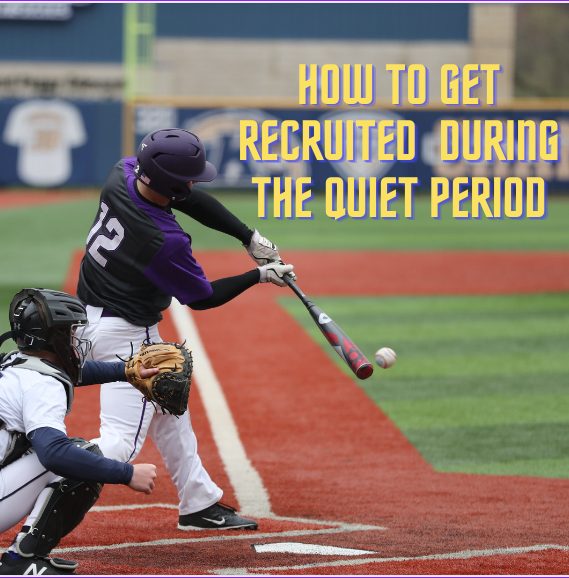
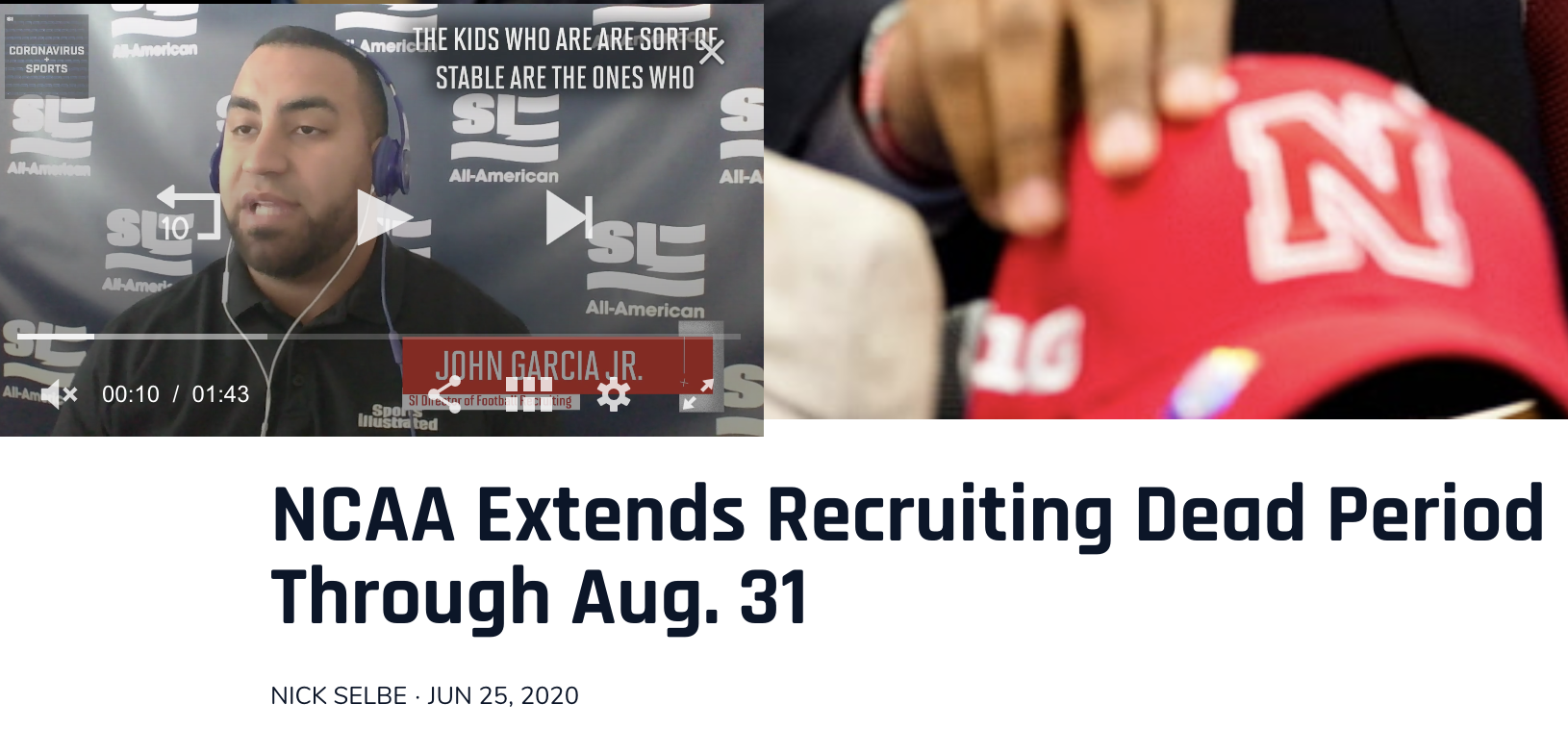
To pick up where we left off last week lets pick up where we left off. During the football season, the NCAA mandates 3 different contact periods for college coaches and prospective student athletes. The first of the two periods work in tandem. Beginning August 1, the Dead Period/ Quite Period is underway. At this time, college coaches may not have face to face contact with athletes or their parents. It also means that college coaches cannot watch players compete UNLESS that student athlete is actually on the college campus for a camp or college visit.

During the high school season, there is another contact period squeezed in September 1 through November 30, 2019

Now, during the season, there is another contact period squeezed in. The exception arrives between the days of September 1 through November 30, 2019. This is the evaluation period. By definition the evaluation period permits college coaches to watch college-bound student-athletes compete, visit their high schools, and write or telephone student-athletes or their parents. However, a college coach may not have face-to-face contact with college-bound student-athletes or their parents off the college’s campus during an evaluation period. 

So, even though coaches can see athletes compete the coaches is not permitted to communicate with the student athlete or their parents. Additionally, coaches are permitted a certain number of evaluation dates depending on the sport.  For example, football coaches are allotted 42 evaluation dates. During those dates, coaches can visit a player once at his or her high school. 

What does this mean for student-athlete seeking to get recruited? First, the primary focus for the athlete should be playing ball. It should go without saying that athletes who are distracted and don’t perform on the field won’t get recruited so limit the distractions and just go play ball.  Second, its important to be patient with the process. The contact periods are designed to slow down the process so that coaches have adequate time to scout prospects. Thirdly, players can, and should, continue reading out to coaches during all contact periods so that they stay on the radar.

Lastly, if your not sure about the ins and outs of the contact period I’m glad to send you free contact period outlines for your sport.. Simply, text “GAMEPLAN” to 480-605-4050 and I’ll send you the sport specific contact period outlines.

Three tips to record a baseball or softball recruiting video

This week is a short video blog for Recruiting video tips. Weekly, I field a lot of questions about how to make a recruiting video so today I want to share a quick video with 3 good tips for recording a recruiting video.

A well-made recruiting video is one of the most important tools for high school baseball and softball players trying to earn college baseball scholarships. Coaches don’t have the time to see every baseball prospect in person. That’s why a skills video is an essential part of your athletic profile. It takes just a few minutes for a skill video to show coaches what a high school prospect has to offer. For your skills video to be effective, you need to know specifically what coaches are looking for. If you have video but not sure if it is good enough for a coach, I offer a free recruiting video review. Simply book an appointment at the link below then send your video. I’ll check it out and give you some feedback during the short 30 minute call.

Book your appointment here. Video review

A well-made recruiting video is one of the most important tools for high school baseball and softball players trying to earn college baseball scholarships.

https://mlwoosley.wixsite.com/website/book-online/recruiting-video-review

Poise over Panic: Prepare for the Unexpected in Recruiting

I’m a big Ohio State fan. No matter where I’ve lived across the country my Buckeye allegiance has always run true. So, obviously winning the National Championship this season is a great accomplishment, especially considering the tremendous amount of unexpected events that this team had to overcome to achieve their goal; injuries, expulsions, even death to name a few!
24-tmb
I see a lot of similarities between the recruiting process and the recent Ohio State season. There are lots of unexpected events that can happen to throw you off track. But with the right preparation, teamwork, and a little luck, the unexpected can be overcome to reach your ultimate goal of playing sports at the collegiate level.


Anticipate the unexpected

Let me give you an example of what’s happening now for seniors who didn’t anticipate the unexpected. Right now, many senior athletes are scrambling to sign with a college. Many of them didn’t have a recruiting strategy going to start the process so now they are panicking to find an available roster spot. Last minute panic for athletes is never good. Here are a few reasons why.

  1.  Last minute panic doesn’t always assure the right fit.
    • Many athletes settle for a college because they need both athletic and academic scholarships to afford colleges. As a result, a student -athlete signs with a college without doing adequate research on the available positions he/she can compete for or looking into the quality of academic programs offered. (Athletes- never compromise and sign with a college that doesn’t have the major you want to study! Always seek academics first and athletics second!)
  2. Last minute panic doesn’t always get you adequate scholarship money.
    • Be aware colleges will take advantages of desperate athletes. There’s only so many scholarships and only so much scholarship money to go around, so schools will do what they to get the best deal possible.
  3. Last minute panic may result in not getting a scholarship.
    • Athletes know that every play ends, every game times out, and every season concludes. The same is true with every recruiting period. Time will eventually run out.


Poise, not panic

We all know that its nearly impossible to avoid the unexpected, it is possible however to avoid panic. In fact, the opposite of panic is poise. Athletes that have poise are able to perform under pressure and adversity.

So, how can you avoid the last minute panic? Simple. Be prepared, work with a team, and hope for a little luck. Follow these simple tips and you’ll be poised for success.

  1. Be prepared for recruiting by designing a game plan.
    • Like all good coaches, develop a winning strategy before the game begins and make adjustments accordingly.
  2. Teamwork is necessary for recruiting.
    • Games are not won by individuals; teamwork in games! This team may include parents, coaches, school administrators, counselors and recruiting coaches. Please, don’t fool yourself by thinking that you can get a scholarship all by yourself. Every one of your recruiting teammates will have a crucial role in helping you get to the next level.
  3. Luck is defined as success or failure brought on by chance rather than one’s actions.
    • Like unexpected events, luck sometimes luck brings you unexpected opportunities.  From time to time athletes need a little luck.


A Great Plan Makes for a Great Celebration  

29906170001_3968751245001_Screen-Shot-2015-01-02-at-8-12-13-AM To wrap up, look at recruiting like this. Ohio State didn’t win the championship because they had a great player.  No, they won because they had a great plan, great team of players and a little luck to help them along the way.

Finally, the recruiting process is supposed to be an enjoyable experience. It isn’t supposed to be stress-filled panic. And most definitely the final months of recruiting shouldn’t be a scramble, but a celebration.


Coach Mike Woosley is a National Scouting Director at CSA-PrepStar. As a professional collegiate cropped-main_logo-12.jpgsports scout Mike works with qualified next level student-athletes to  find the right college athletic and academic fit.

Crucial Do’s and Don’ts of the Freshman Year Recruiting Strategy

Screen Shot 2014-12-03 at 11.31.40 PM
The Freshman years is the year you need to stay focused on your plan.

Every day I talk to parents and athletes that have no recruiting strategy. Every athlete dreaming to sign a national letter of intent has to have a recruiting plan. I shared last week that the key is for your recruiting plan to be put in motion during junior high years. But what about now that you’re a big shot high-schooler?

If you put your plan in motion in junior high you’ll be ready both as a student and an athlete. This helps high school student-athletes be prepared for more than a new regime of classes.

According to the NCAA, you become a prospective student-athlete (PSA) on the first day of your Freshman year. But, don’t expect to get a scholarship offer your Freshman year because college coaches are limited by NCAA recruiting guidelines for contacting Freshman athletes. In comparison to upperclassmen, coaches can only send PSA’s institutional educational information as well as questionnaires, and camp invites. One note to parents, be aware that at this point camp invites are more about bringing revenue to the sports program than evaluating athletes. The reason for this is because most student-athletes will undergo a significant transformations between Freshman and Senior year. Coaches know this too. That’s why the focus of the Freshman year should be to work on the 3 S’s.

3 S’s
Smarter– athletes that are great students are more desirable to colleges. Most schools won’t risk giving a scholarship to an athlete that may not be eligible to play.

Speedier– focus on running, agility, and conditioning drills will make you faster. When comparing two athletes, most colleges go with the smarter and faster of the two.

Stronger– weight training should be a vital part of your fitness regime at this stage. Your body needs added strength to withstand the long season.

Crucial Do’s and Don’ts
The Freshman year is pivotal to the plan you put in motion in junior high. Here are five Do’s and Don’ts to guide you through Freshman year.

Do
-Make grades a priority!
-Start taking the required courses to meet the NCAA 16 core course requirements.
-Research colleges you’d like to play for.
-Email college coaches to ask what it takes to play for them.
-Keep record of your academic and athletic accomplishments at the competitive level.

Don’t
-Worry if you don’t make the varsity team.
-Worry if you don’t have game film or skills video.
-Worry about attending combines or showcases.
-Worry about taking unofficial college visits.
-Worry that you’re phone’s not ringing. (It’s not supposed to …yet)

Again, as a Freshman, personal contact or phone calls initiated by a college coaches from Division I & II programs are not allowed. But the good news is that they are permitted your Sophomore year. Next week, I’ll keep the guide alive by giving you valuable recruiting tips for your Sophomore year.

Please follow the blog and leave comments to this week’s post or ask questions to be answered in next week’s post.  As always, I can be reached around the clock on twitter. @michaelwoosley

~Coach Mike

Beginners Guide to College Recruiting

Parents of junior high athletes often ask me when they should begin the recruiting process for their son or daughter. Typically, my reply is an emphatic, “Now!”  The most frequent response I get from that parent then is, “well, we have time.” Sorry friend, that’s just not true. Here’s why. According to the NCAA student-athletes become college prospects the first day of their Freshman year. So while the goal is not to get a college scholarship in the 8th grade, instead, the goal should be to use the junior high years to get your student athlete prepared for the recruiting process. This week, I’m going to help you come up with that plan as part of my beginners guide to recruiting series.

Parents of young athletes with big dreams need to start planning now.

It may be true that only a select few athletes get on college recruiting boards the first day of Freshman year, it is equally true that you need to start making plans for your student-athlete if he or she ever expects to get noticed by college coaches.

The Junior high years, 7th and 8th grades, are the formidable years of athletic development. This is the time when athletes start to take an interest in favorite sport. Also, it is during the Junior high years talent begins to either blossom or wither.

Look for the 3 D’s
During the Junior high years parents need to look for the 3 D’s. Junior high is a great time to test for the 3 D’s. As a scout, I measure athletes by the 3D’s because they are found in the DNA of elite athlete, The 3 D’s are desire, determination and drive.

Desire– athletes that have an unyielding passion for the game. They eat, sleep, and breath it!
Determination  – athletes that motivated by the “have to” effect. These athletes have to master there position.
Drive– athletes that thrive on competition and the relentless pursuit to be the best.

The 3 D’s separate good athletes from great athletes. Good athletes get by on talent. Great athletes put in the work to become great. Almost every athlete has some amount of the 3 D’s, but I’m looking for the student- athlete that has noticeably more dedication to the 3 D’s than their peers. So parents, if your student athlete a shows measurable amount of the 3 D’s then its time to devise a plan.

Plan the plan
Usually, we fail when we fail to plan. If your goal is to get a scholarship to play a sport in college now is the time start making a plan. Remember to keep in mind that plans are flexible, not rigid. So my advice is to devise a plan, work towards that plan, and if necessary, adjust accordingly. Advice that I was given when I was young sums it up completely, “Plan the plan.”

Put the plan in motion
Now that a plan is coming together, start putting that plan in motion. Plan to be in the midst of your plan on day 1 of Freshman year. Here are a few suggestions to consider when putting your plan in motion.

  • Practice frequently
  • Get private position coaching
  • Go to sport specific camps.
  • Start playing on a competitive travel ball team
  • Start planning your high school course load.
  • Excel in the classroom and get good grades. (Only eligible players can play. )
  • Learn good study habits
  • Research your local high school, find out how many teams it has (Fr, JV, Var) and get to know the coaches.

All recruiting begins with a plan. These are just some the beginning steps to get you started with college recruiting. Next week’s post of the guide to recruiting with focus on Freshman year. That’s when the real fun begins!

So, if you want to be sure to get all the posts take a moment to click the follow button to make sure you get the entire beginners guide to recruiting sent to your email.

As always, readers are welcome to leave comments to this week’s post or ask questions to be answered in next week’s post. Tweet me around the clock with questions or comments on Twitter @michaelwoosley.